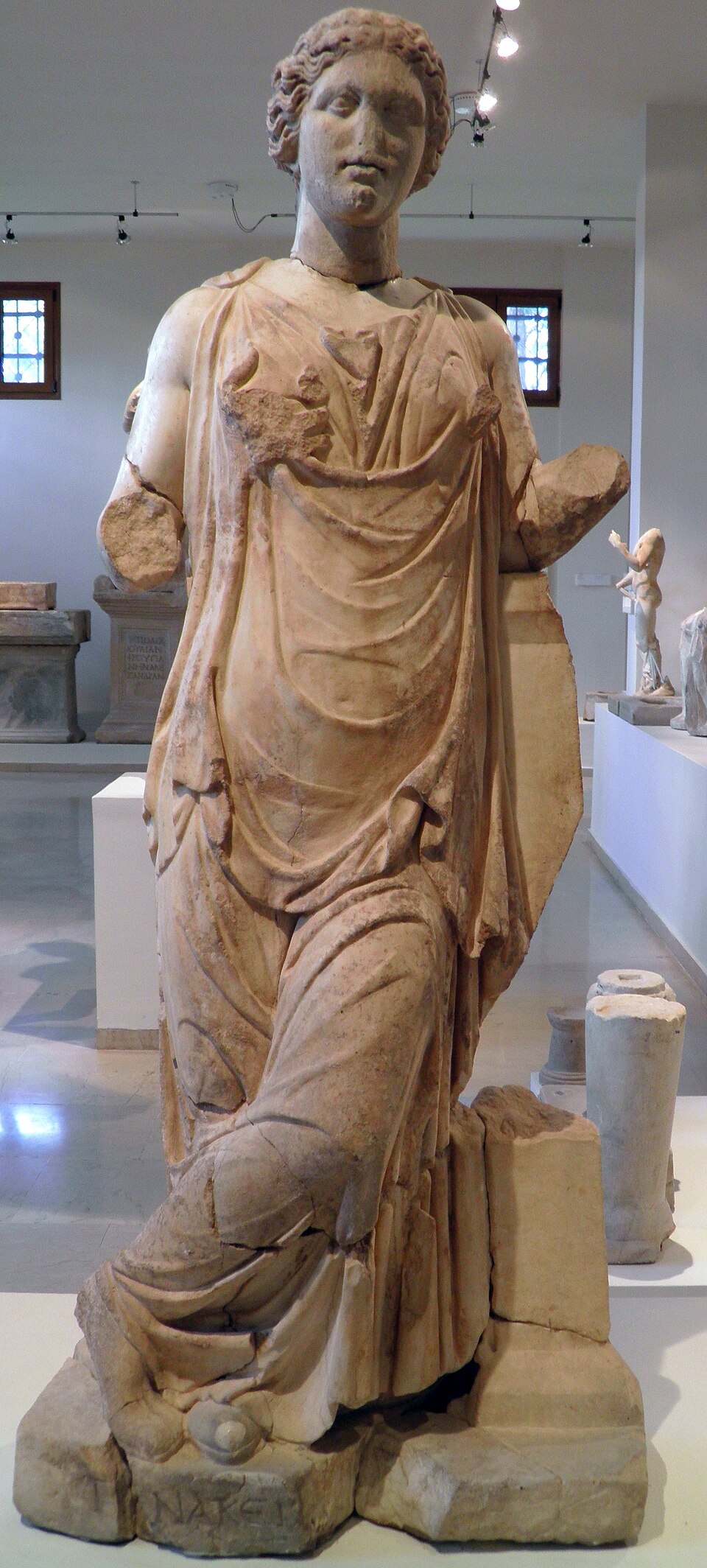
In the rich tapestry of Greek mythology, where gods and goddesses embodied every facet of existence, one figure stands out as the ultimate symbol of health and restoration: Panacea. This revered Greek goddess of universal remedy captivated ancient imaginations with the promise of complete healing and a singular solution to all ailments. Her name, which literally translates to "all-healing," has transcended antiquity to become a timeless concept in modern language, representing the ultimate cure-all. Yet, Panacea is far more than just a word; she is a powerful archetype whose legacy continues to inspire the pursuit of holistic well-being and the endless human quest for a perfect solution.
Panacea: Origins and Divine Lineage
Panacea's lineage places her at the very heart of ancient Greek medicine and healing. She was the daughter of Asclepius, the revered god of medicine and healing, himself a son of Apollo. Her mother was Epione, the goddess associated with the soothing of pain. This esteemed parentage positioned Panacea as a central figure in the divine pantheon of health.
She was not alone in her divine duties. Panacea was one of several sisters, each embodying a distinct aspect of healing and health. Her most prominent sisters included:
- Hygeia: The goddess of health, hygiene, and sanitation, often invoked for preventative care and the maintenance of good health.
- Iaso: The goddess of recuperation and healing from illness.
- Aceso: Representing the process of healing itself.
- Aglaea (or Aegle): The goddess of radiant good health and the splendor of the human body.
Together, these divine sisters formed a powerful ensemble, each contributing to Apollo's multifaceted art of healing, guided by their father, Asclepius. While Panacea specialized in the ultimate "all-cure," her sisters ensured a comprehensive approach to well-being, from prevention to recovery. Interestingly, ancient portrayals were not always consistent; at times, Panacea and her sisters were even depicted as wives of Asclepius, reflecting the fluid nature of mythological narratives. Scholars also suggest that Panacea may have existed as an independent goddess of healing before being formally integrated into the burgeoning Asclepius cult, further underscoring her inherent significance.
The Essence of "All-Healing": Panacea's Role and Symbolism
The very name Panacea, or *Panakeia* in Ancient Greek, is a compound of *pan* (meaning "all" or "every") and *akos* (signifying "cure," "remedy," or "healing"). This etymological foundation perfectly encapsulates her divine domain: a complete and universal solution to any and all ailments. Unlike her sisters who focused on specific facets of health, Panacea represented the ideal of a singular, comprehensive remedy.
Traditionally, Panacea was depicted with a mystical poultice or potion – a powerful concoction that could heal any sick individual. This image cemented her role as the bringer of universal remedy, embodying the concept of a magical medicine capable of curing all diseases. Her influence extended into real-world medical practice and ethics, particularly in ancient Greece. Panacea was not merely a decorative figure; she was invoked in healing rituals and held a dedicated altar at significant sanctuaries, such as that of Amphiaraus in Oropus, where worshippers sought her divine intervention for powerful cures.
Her prominence is further highlighted by her inclusion in the sacred Hippocratic Oath, the cornerstone of medical ethics. Alongside Asclepius, Apollo, and Hygeia, Panacea was solemnly invoked as a divine witness, reinforcing the aspirational ideal of complete healing and the ethical practice of medicine. She also appeared in classical literature, notably in Aristophanes' comedy *Plutus*, where she assists Asclepius in curing the god of wealth, demonstrating her broad appeal and recognition beyond purely religious contexts.
From Myth to Modernity: The Enduring Legacy of Panacea
The mythical Greek goddess Panacea has left an indelible mark on language and culture, her name evolving from an ancient deity to a powerful concept in the modern world. The English word "panacea" entered the language in the 16th century, derived directly from the Latin *panacēa* and its Greek root *panákeia*. Initially, it referred to an herb or a specific remedy believed to cure all illnesses, reflecting her original divine power. Over time, its meaning broadened to encompass any supposed universal solution to problems, whether medical, social, or political.
This linguistic legacy underscores humanity's enduring fascination with the idea of a "cure-all." From ancient elixirs and alchemical pursuits to modern scientific research, the quest for a single substance or method that can solve all problems has persisted. While medical science has yet to discover a true universal cure for all diseases – and likely never will, given the complexity of human biology and pathology – the concept of a panacea continues to inspire groundbreaking research and comprehensive approaches to health. The dream of effortlessly restoring perfect health remains a powerful motivator.
The Pursuit of Holistic Well-being in Panacea's Shadow
In a world of specialized medicine, the idea of a single *panacea* can seem simplistic. Yet, Panacea's legacy encourages us to consider the broader scope of well-being. While no magic potion can fix everything, her essence points toward:
- Comprehensive Care: Modern healthcare increasingly emphasizes integrated approaches, combining physical treatment with mental health support, nutritional guidance, and preventative strategies. This mirrors the holistic ideal embodied by Panacea and her sisters.
- Addressing Root Causes: Instead of merely treating symptoms, the Panacea ideal encourages us to dig deeper, seeking the fundamental causes of illness or societal problems, much like a universal remedy would aim to fix the core issue.
- Preventative Measures: While Panacea focused on cures, her sister Hygeia reminds us of the power of prevention. A truly "all-healing" philosophy would inherently include practices that prevent illness from arising in the first place.
Even outside medicine, the term "panacea" serves as a reminder to be wary of overly simplistic solutions to complex problems. Whether in economics, politics, or personal development, the allure of a single, easy fix is strong, but often misleading. The Greek goddess of universal remedy, therefore, offers a dual lesson: the aspiration for ultimate healing and the wisdom to understand that profound solutions often require multifaceted efforts.
Modern Echoes: A River's Name and Cultural Impact
Panacea's influence isn't just conceptual; it's geographically etched. A river in Thrace/Moesia, regions historically significant in ancient Greek and Roman contexts, was named after the goddess. This river flows today in modern Bulgaria, still bearing her mark as the Zlatna Panega, meaning "Golden Panega." This direct naming connection serves as a tangible link between the ancient myth and the contemporary world, highlighting the goddess's widespread recognition and veneration.
Her name and concept continue to appear in popular culture, literature, and even scientific discourse, symbolizing the ultimate answer, the perfect fix, or the elusive cure. The human desire for a solution that transcends all limitations finds its perfect emblem in the figure of Panacea.
From her divine birth in the realm of Greek mythology to her enduring presence in modern language and thought, Panacea remains a compelling figure. As the goddess of universal remedy, she embodies humanity's eternal hope for complete healing and the aspiration for a singular, perfect solution to all woes. While the literal "cure-all" may remain an elusive dream, the spirit of Panacea continues to inspire the pursuit of holistic well-being, integrated health strategies, and the comprehensive understanding required to address life's most complex challenges. Her legacy is a testament to the timeless human quest for restoration, balance, and ultimate harmony.